
Paris Alexa has spent enough time writing for other artists to understand the difference between making a good song and making one she wants to keep. As she turns her attention toward her own career, the 26-year-old singer has become increasingly interested in music built from her actual life. Her next release aims to continue the pursuit; as Alexa tells ESSENCE exclusively that her second single, “HONEYMOON,” arrives August 19. The record follows “Wrong Generation” and offers another look at the musician she believes she has finally figured out.
“What excites me the most is that I have found my artist’s identity,” Alexa says during our Zoom conversation. “By making so many different types of songs, so many genres, I’ve learned, wow, I can really do anything.”
Alexa was born in New Jersey before moving to Seattle around age nine after her mother accepted a job at Microsoft. Regardless of where she was, her family remained an early source of musical education. Family reunions exposed her to Black music, while her great-grandmother, Faye Adams, was a pioneering soul singer known for records such as “Shake a Hand.” Her grandfather later played with the Isley Brothers.
Arriving in Seattle presented a “different” environment, to say the least. Alexa often found herself as the only Black girl in her class or on her volleyball team, and the city’s music history did not resemble what she knew from home. Rather than wait for a local R&B scene to speak to her experience, she began considering how she could contribute to one. “I had those roots of knowing what Black music sounded like, experiencing Black music. So transitioning to another city was a little bit of a culture shock for me when I was younger,” she says. “But, because there wasn’t so much Black music around me, it allowed me to make my own. And it really pushed me to want to be a beacon for young Black girls in R&B in this area where there’s not that many people.”
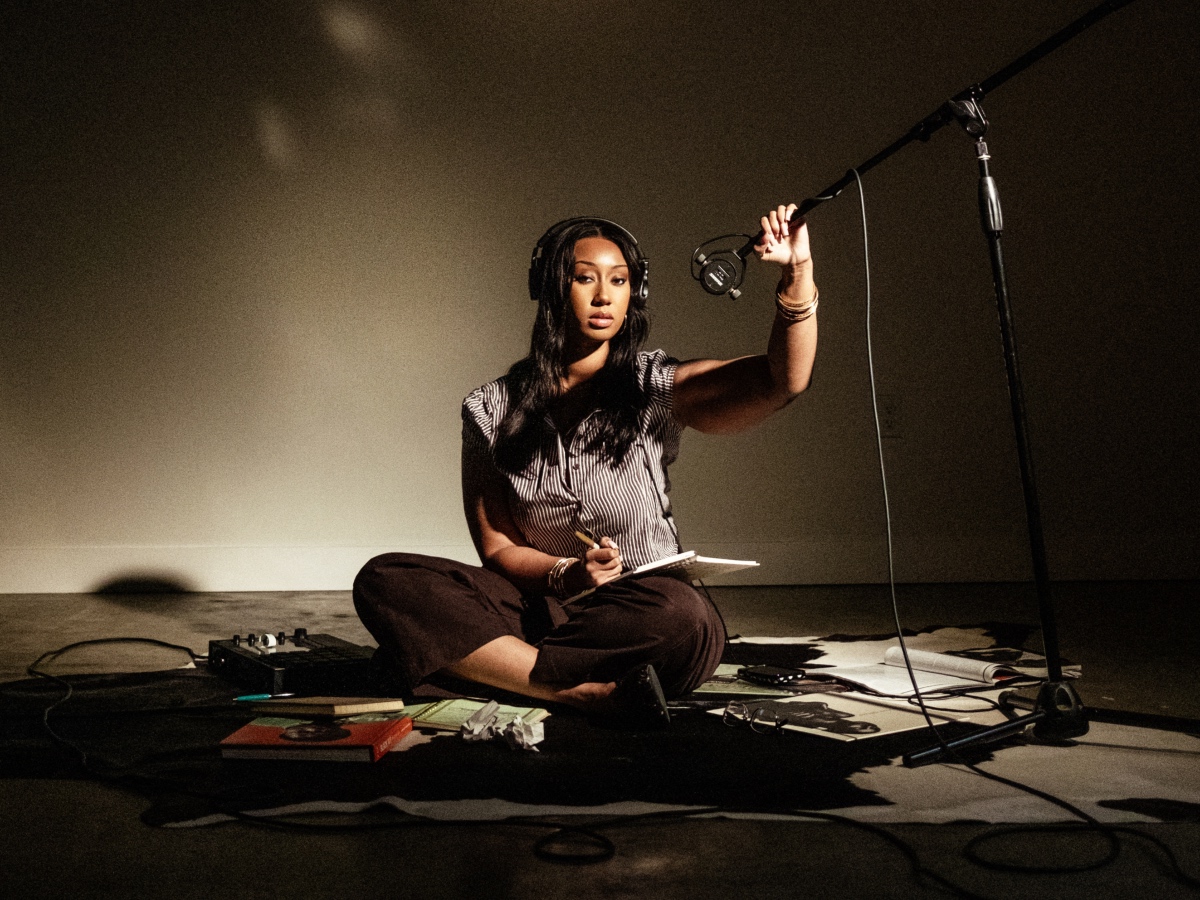
“If I don’t have a beacon to look to, I can become that,” she remembers thinking. “I can at least provide a voice or a narrative for other girls in this area that look like me.” SZA later became an important reference for Alexa as she entered high school. She connected with the singer’s use of natural surroundings and took notice of her Jersey background. Seeing another Black woman incorporate her surroundings into her work helped Alexa reconsider Seattle as a source of inspiration rather than something she needed to escape.
While Los Angeles offers an abundance of sessions and industry access, it’s Alexa’s hometown of Seattle that still plays an important role in how she writes today. The city gives her room to hear herself without the demands of a crowded music business, and she often creates at home with her partner, a musician with a jazz background, who helped reconnect her with the live instrumentation she loved growing up.
“The stuff that’s for me, I really want it to come from my soul,” Alexa says. “I write a lot of my music at home here in Seattle where it’s quiet and I can, again, carve out that identity that I was talking about that I first started with.”
Alexa entered K-pop through producer Dem Jointz, eventually traveling to South Korea and writing “Supernova” with songwriter Kenzie. Released by aespa in 2024, the song became a major success and eventually earned Alexa a platinum plaque. The experience also introduced her to the large presence of Black songwriters and producers working within K-pop. Alexa went into her first trip knowing little about the genre. She came away interested in its relationship with Black American music and with a new outlet for her versatility as a writer.
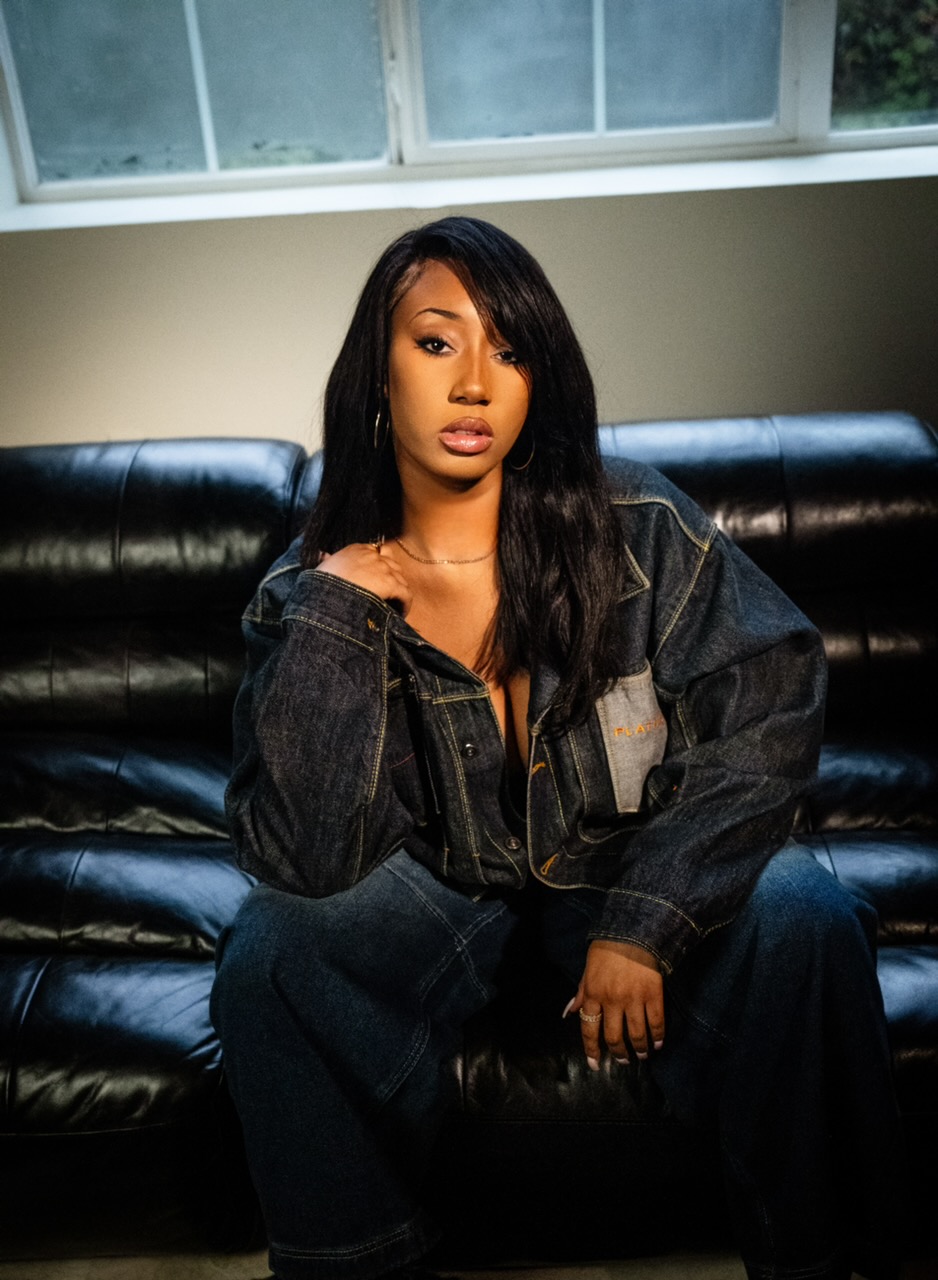
“The truth is K-pop has a lot to do with Black history,” Alexa says of her experience working in the genre. “That’s what I’ve learned in trying to understand and navigate, okay, where is my place in this genre? Being a Black girl that wrote so much pop music, I didn’t really know anything about K-pop when I first got the opportunity, but they continue to champion Black creatives, and they understand that we can’t make this music without them, without the source.”
Writing for other performers allows Alexa to explore ideas without having to attach them to her own identity. She can enter a session and create a K-pop record meant for someone else, then approach her own music differently. Being alone also removes a tendency she notices when other people are present. “Something about being in the studio with other people makes me want to perform a little bit or dress up my emotions,” she says. “Wrong Generation” came from Alexa looking at modern life and wondering whether she belonged in another era. Raised by parents who she says made her an “old soul,” she grew up watching Girlfriends and Sex and the City, imagining adulthood through the relationships she saw onscreen. Her own twenties have unfolded during an age when social media can affect how people date or maintain friendships.
“I don’t have the toxicity bone in my body,” she says before laughing briefly. “I’m not ready to, ‘Who can outdo who?’ And those are the muscles you have to build up in order to be successful in this dating environment. Or when it comes to friends, I felt like certain friends of mine would show up when I was popping on social media, and then when I would be chilling or I’d want to have a real conversation, they’d be like, ‘We’re only going out friends.’”
Alexa wrote “Wrong Generation” partly to poke fun at those frustrations, because beneath the humor was a serious question about what people lose when appearances begin taking precedence over genuine connection. She also sees a parallel in contemporary R&B, particularly when listeners complain about what they believe has disappeared from the genre. “People talk about R&B is dead, and I think it’s because people were admitting things on the track a lot more,” she notes. “They were baring their souls a whole lot more.”

Her forthcoming single takes her interest in connection into romantic territory. “HONEYMOON” examines what happens after the early rush of a relationship settles and two people have to decide what comes next. Alexa rejects the idea of treating the honeymoon period as the standard a relationship must permanently maintain. For her, staying requires participation from both people. “Relationships and love is something that you have to constantly work at—and that’s the beauty in it,” she says.
With the release date of the aforementioned track steadily approaching, Alexa is less concerned with proving how many kinds of music she can make—because her songwriting career has already answered that question for her. What interests her now is using those skills to show listeners who Paris Alexa is when the song belongs to her.
“I get to champion the life that we’re really living,” she says. “I’m excited to just give life to those moments in between when it’s not all cookie cutter and everything’s all filtered perfectly. And that to me feels like actual reality.”

Author: Okla Jones
Read the original article on Essence.