
There’s a version of entrepreneurship we’ve all become familiar with online.
A founder posts a video. The right person sees it. Then a few thousand more people see it. Suddenly, orders are flying in, Shopify notifications won’t stop, and a business that was once being packed from a kitchen table or spare bedroom has seemingly become an overnight success.
It’s the kind of moment most entrepreneurs dream about. But what happens when the orders actually come?
Stormi Steele knows a little something about that.
The Canvas Beauty founder and CEO has spent the past few years turning livestream shopping into serious business. In 2024, Steele became the first creator to generate more than $1 million in sales during a single TikTok Live session. Months later, during Black Friday, she surpassed her own milestone with more than $2 million in sales.
But ask Steele what made those moments possible, and she won’t just point to a viral video or a particularly good day on TikTok. She’ll talk about the work happening when nobody is watching.
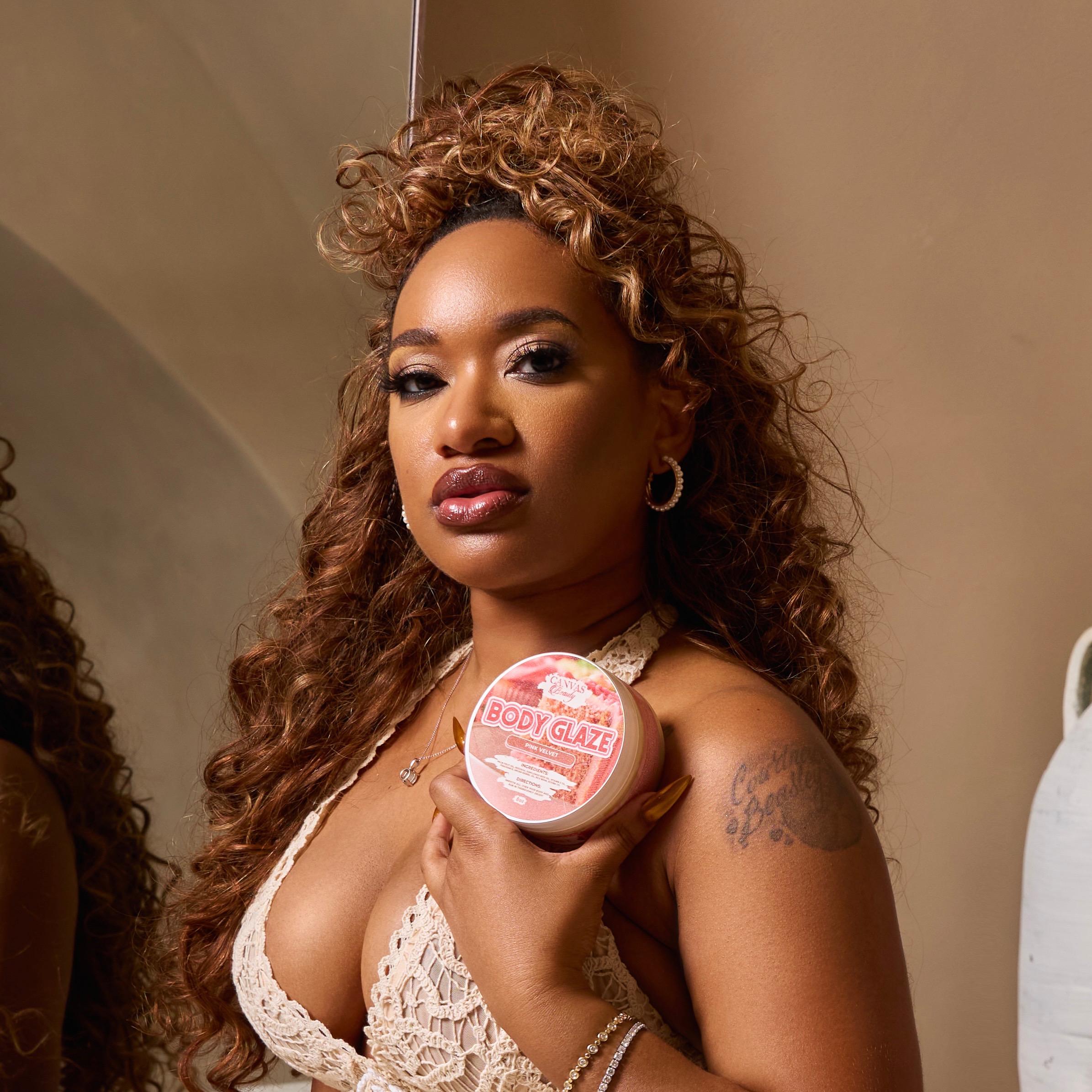
“While we prepared for the livestream sales to be significant, our goal was to create excitement for our supporters with the introduction of new products and scents, along with offers that felt truly valuable,” Steele says. “Body Glaze had already shown us what our customers loved, so we built around that demand and made sure we could meet it at scale. The million-dollar milestone was the result.”
For founders, particularly Black women building businesses in an era where social media can change the trajectory of a company in a matter of hours, there can be so much emphasis on getting the moment. The viral post. The celebrity co-sign. The sold-out drop. The million-dollar sales day.
Steele’s story is also about being prepared when that moment finally comes.
She founded Canvas Beauty in 2018, initially building the company around her Hair Blossom Serum before expanding into hair, body and fragrance. Along the way, Steele developed something increasingly valuable in today’s retail landscape: an audience that doesn’t just follow her, but shops with her.
That relationship has helped position Canvas at the forefront of a much larger change in how we buy things. U.S. livestream e-commerce sales grew nearly 50 percent in 2025, reaching $14.64 billion, according to EMARKETER. And platforms like TikTok have increasingly blurred the lines between entertainment, influencing and shopping.
For a founder like Steele, that means she doesn’t necessarily have to wait for someone to discover Canvas on a store shelf. She can get in front of customers herself, tell them why she created something, demonstrate how it works and hear—in real time—what they love and what they don’t.
Most recently, Canvas Beauty brought actress and entrepreneur La La Anthony into that world. The brand launched its first celebrity partnership with Anthony during a 48-hour TikTok Shop Live event in January 2026.
But more eyeballs also mean more pressure.
More people discovering your business means more inventory. More packages that have to leave the warehouse on time. More emails when something goes wrong. More customers expecting the experience they saw online to match what arrives at their door.
And no amount of virality can cover up a business that isn’t ready to deliver.
Each major Canvas sales event, Steele says, has taught the company something about where its operations need to grow—from fulfillment and customer service to the people responsible for keeping everything moving behind the scenes.
“Growth doesn’t wait for you to be ready,” Steele says. “The brands that make it through big moments are the ones who built systems that can adapt and surround themselves with people who can do the same.”
For entrepreneurs reading this with a business of their own, that doesn’t necessarily mean you need to have every process perfected before you take the next step. Steele’s advice is almost the opposite: expect your systems to change.
What worked when you were fulfilling 50 orders may not work at 500. The person who could manage three responsibilities when the company was smaller may need support when business doubles. And that spreadsheet you swore you could keep using forever? There may come a day when it simply can’t keep up anymore.
Steele says founders should treat those moments as information rather than failure.
“Build systems that can evolve as the business grows,” she advises. As demand increases, even good systems will eventually reveal their limits. The goal is to recognize those cracks and strengthen them before the next big opportunity comes knocking.
And sometimes, the most important “system” isn’t software at all. It’s people.
Steele emphasizes building a team that can adapt alongside the company. Processes matter, but so does having people around you who understand the vision and can execute when things get hectic—which they inevitably will.
Then there’s the part of scaling that can easily get lost when everyone is focused on reaching the next customer: taking care of the people who were already there.
Canvas calls its loyal community the “CANVAS Clique,” and Steele is intentional about protecting the trust that community has placed in the brand.
Think about what it means to buy a body product or fragrance through a livestream. You can’t smell it. You can’t pick it up. You can’t test it on your skin before checking out. You’re buying because you trust the person on the screen—and because your previous experiences with the brand have given you a reason to believe the next one will be good, too.
That trust becomes even more precious as a company grows.
Steele says Canvas focuses on listening to customer feedback, maintaining quality and value, and making sure its longtime supporters don’t feel forgotten while thousands of new customers are being welcomed in.
“Protect existing customers while welcoming new ones,” she advises.
It sounds simple. In practice, it can be the difference between having a viral moment and building a company people are still buying from years later.
As National Black Business Month comes to a close, Steele’s story feels particularly timely because Black entrepreneurship is so often discussed through the language of hustle. We’re told to start the business, bet on ourselves, post the content, build the audience and keep pushing until somebody finally notices.
But what if they do?
What if the video takes off? What if 10,000 people click “add to cart”? What if the opportunity you’ve prayed for, planned for and worked toward suddenly lands in your lap?
The dream isn’t simply going viral.
It’s building something strong enough to survive it.

Author: Shelby Stewart
Read the original article on Essence.