
Shoppable luxury fashion moments often feel unapproachable. In an era where fleeting aesthetics seem to trump the construction of products, RAISEfashion’s Penthouse Edit served as a welcome disrupter.
The non-profit, dedicated to advancing marginalized designers, created an immersive marketplace that kicked off during New York Fashion Week. The rigid structures that gatekeep scale, visibility, and adequate opportunities to garner financial backing for designers were seemingly obsolete this past Saturday.
At the event hosted at The Standard East Village, a diverse mix of guests and industry insiders alike showed up not just to shop–but also to invest in independent creators during a critical juncture for the global fashion industry.
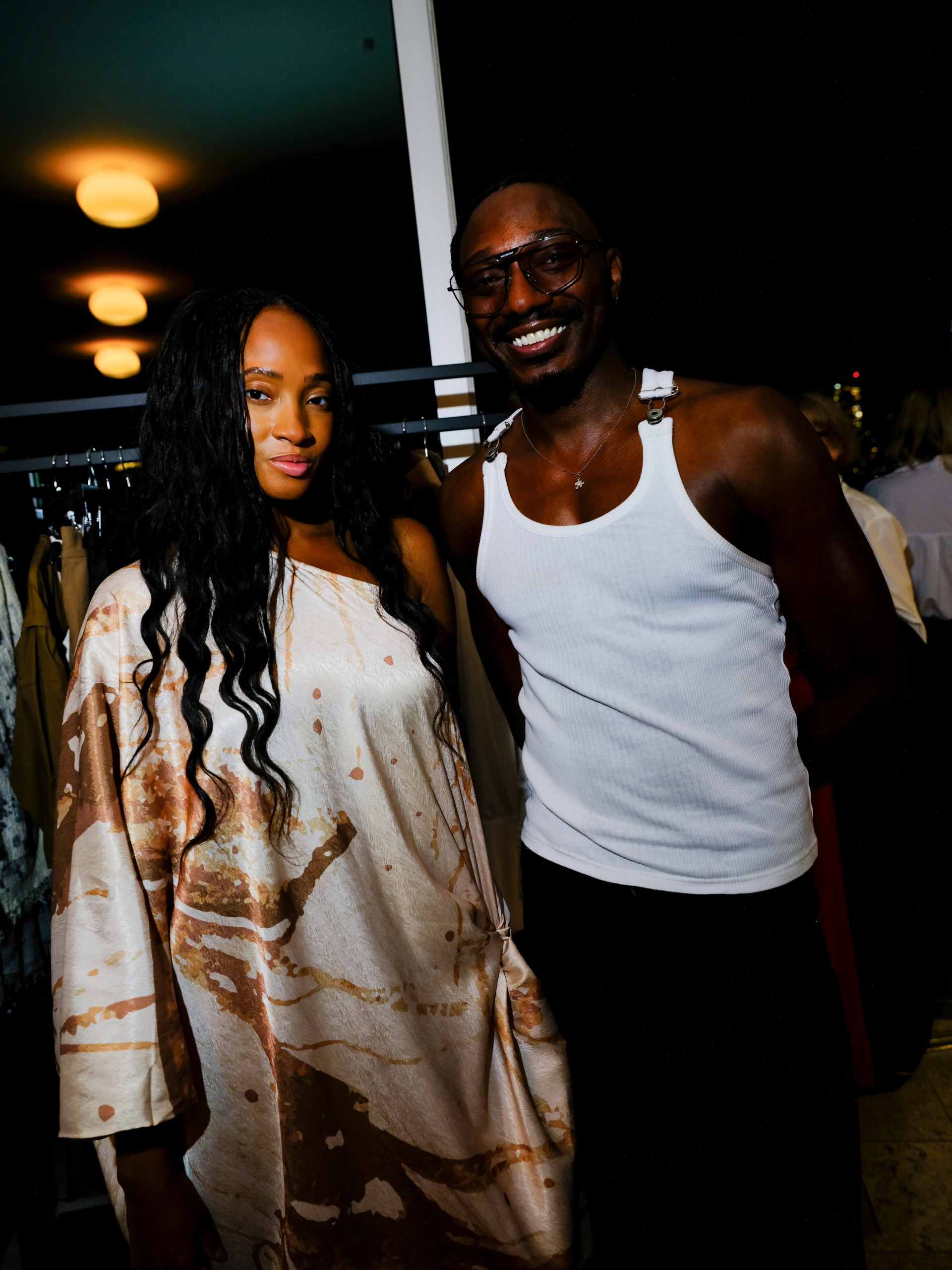
The designers who were a part of the special event included Almasika, Campillo, ESENSHEL, Gwen Beloti, K.ngsley, Le Blanc Studios, McKenzie Liautaud, Oleada, Vontelle, YESAET, and Zut.
According to Felita Harris, co-founder and executive director of the non-profit, NYFW moves swiftly. That’s exactly what she and the team who produced the event capitalized on.
“We wanted The Penthouse Edit to feel different,” she says. “We wanted guests to meet the founders, hear their stories, see the craftsmanship up close and understand what they are building.” This approach was purposeful, and Harris notes that after six years of building RAISEfashion, it felt worthwhile to see the convergence of personalities, purchases, and conversations that happened in real time.
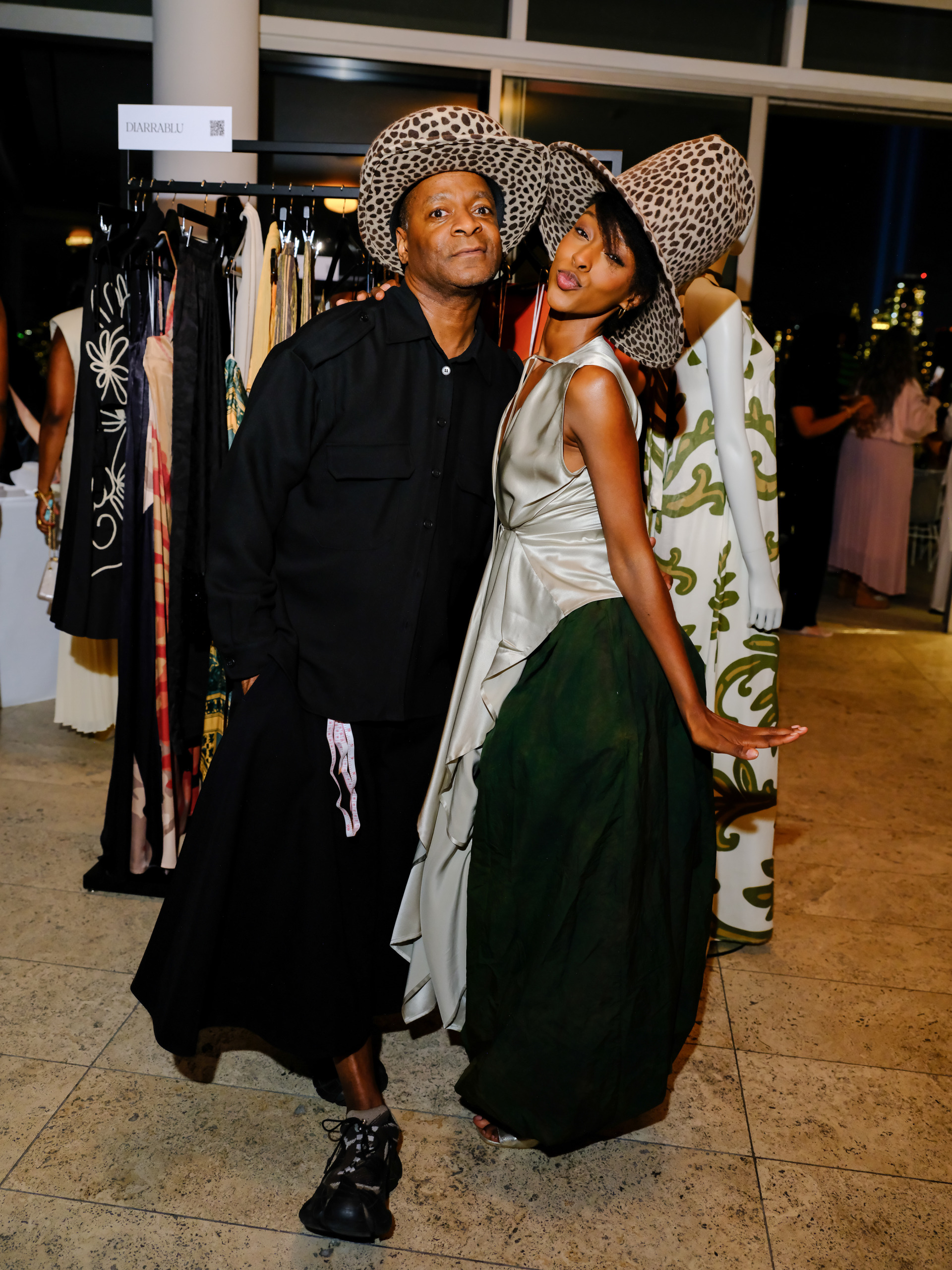
Systemic equity and operational readiness are two significant factors that often stand in the way of designers reaching long-term scale. When paired with figuring out how to stand out in a crowded marketplace like New York City, charting one’s own path might feel unattainable. And that’s where RAISEfashion comes in: to equip designers with the institutional knowledge and financial opportunities that will enrich their business.
Earlier this summer in June, the non-profit hosted 13 designers for Masterclass sessions alongside partners including M&T Bank, Microsoft, ShopMy, and J. Crew. Some designers walked away with funding support to further strengthen their businesses. Saturday’s event was hosted alongside Refinery29. This past weekend, K.ngsley designer Kingsley Gbadegesin received a $15,000 grant awarded by Crown Royal’s Designer Grant. On this injection of funding, he expresses excitement.
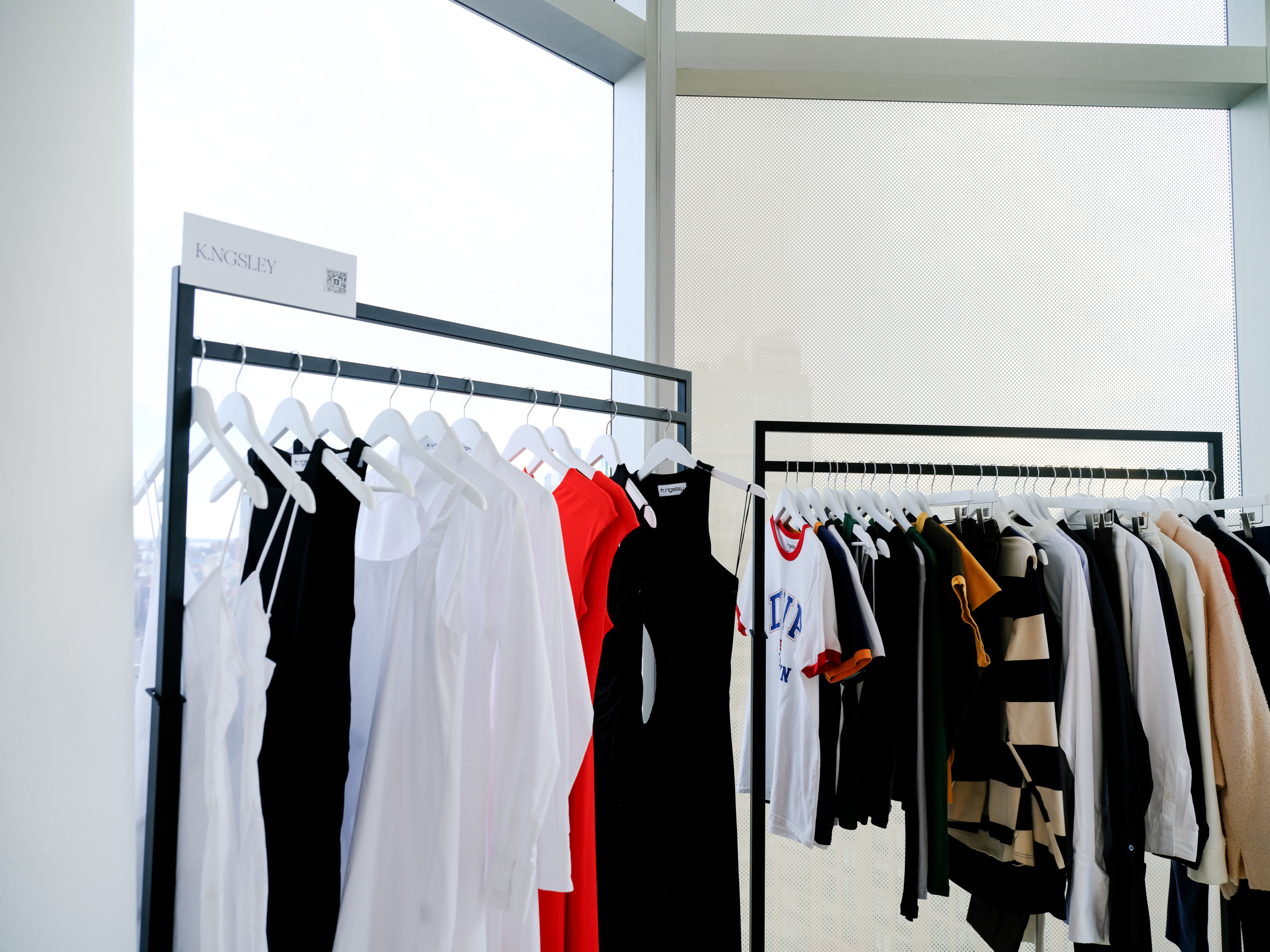
Harris says that each designer who was included in The Penthouse Edit has a clear point of view. “I do not believe the fashion industry simply needs more product,” she adds. “It needs designers who have something meaningful to say and the ability to express it consistently through their work.”
That kind of clarity is seen in two brands RAISEfashion worked with early in their creative journeys: Diotima by Rachel Scott and Charles Harbison, the eponymous label. Harris also notes that you recognize their work because it comes from a genuine place. “They understand their craft, they know their design language, and they are not changing direction every time the market shifts.”
Fine jewelry designer Gwen Beloti, who hails from Brooklyn, mentions that what was most rewarding about showcasing during this time of year was being a part of the larger fashion conversation. “Jewelry is such a personal part of how women express themselves, and NYFW gives us an opportunity to show our work in an environment where people are really celebrating design, creativity, and personal style,” she explains. “Having hosted a pop-up earlier this year, it’s especially rewarding to continue creating these in-person moments.”
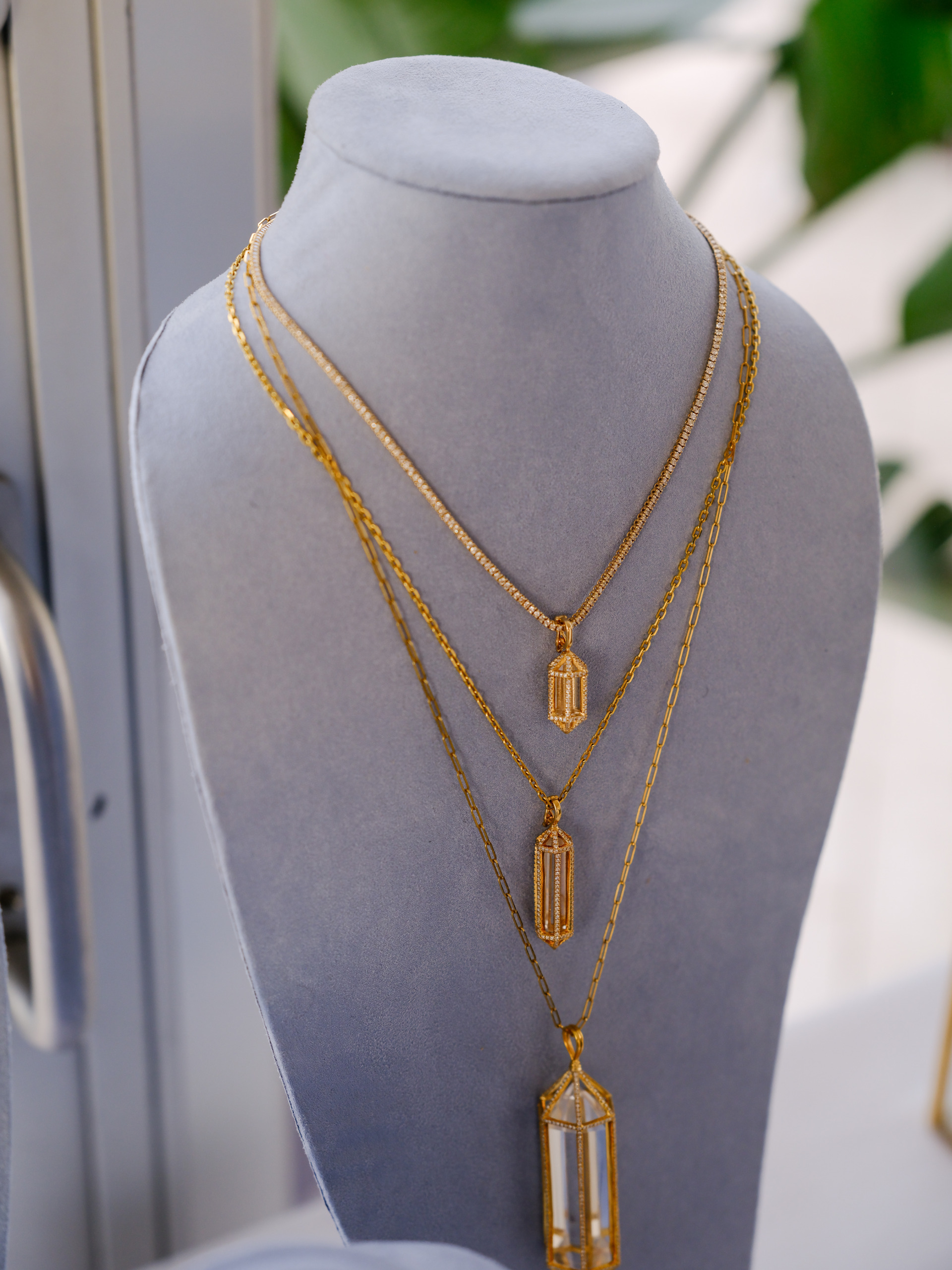
Beloti declares that quality, ethically sourced luxury jewelry is the perfect accent–and even sometimes the focal point of this integral week, where people expect every detail to be considered.
“What mattered most to me this season was visibility, the kind that gives independent brands like YESAET real access, not just recognition,” says founder Hiywet Girma, originally from Ethiopia. From her perspective, the direct visibility of NYFW is one of the few moments where a small, artisan-led brand like hers can stand alongside brands operating at a “completely different scale.”
To Girma, this is invaluable exposure that may “translate into something lasting if it reaches the right people,” like retailers seeking artisanship, ethical accountability, and newness, she explains.

Girma adds that being a part of RAISEfashion’s Masterclass this summer gave her access that she couldn’t have built on her own. The direct visibility that took place for her and the 12 other designers happened at a time that she felt was apt. Especially since customers are demanding sustainable and well-crafted collections. “That convergence is where independent brands can win,” she says. “We’re offering product reflecting the values of consumers–the emotional newness and integrity that the market is now demanding.”
Harris emphasizes that much of the fashion ecosystem was not built with independent designers, particularly designers of color, in mind. Hence the creation of her book, “The Designer’s Path: A Masterclass in Building Independent Fashion Brands.”
Focusing on the relationship between having a creative vision and creating the business discipline required to thrive as an entrepreneur, Harris created an accessible guide to help founders navigate the challenges they will face and empower them to make more informed decisions that protects their talent over time. “I also want to be very clear. I am not asking designers of color to become more resilient,” she notes. “The industry has to stop celebrating that resilience while withholding the capital, fair commercial terms, and sustained access.”
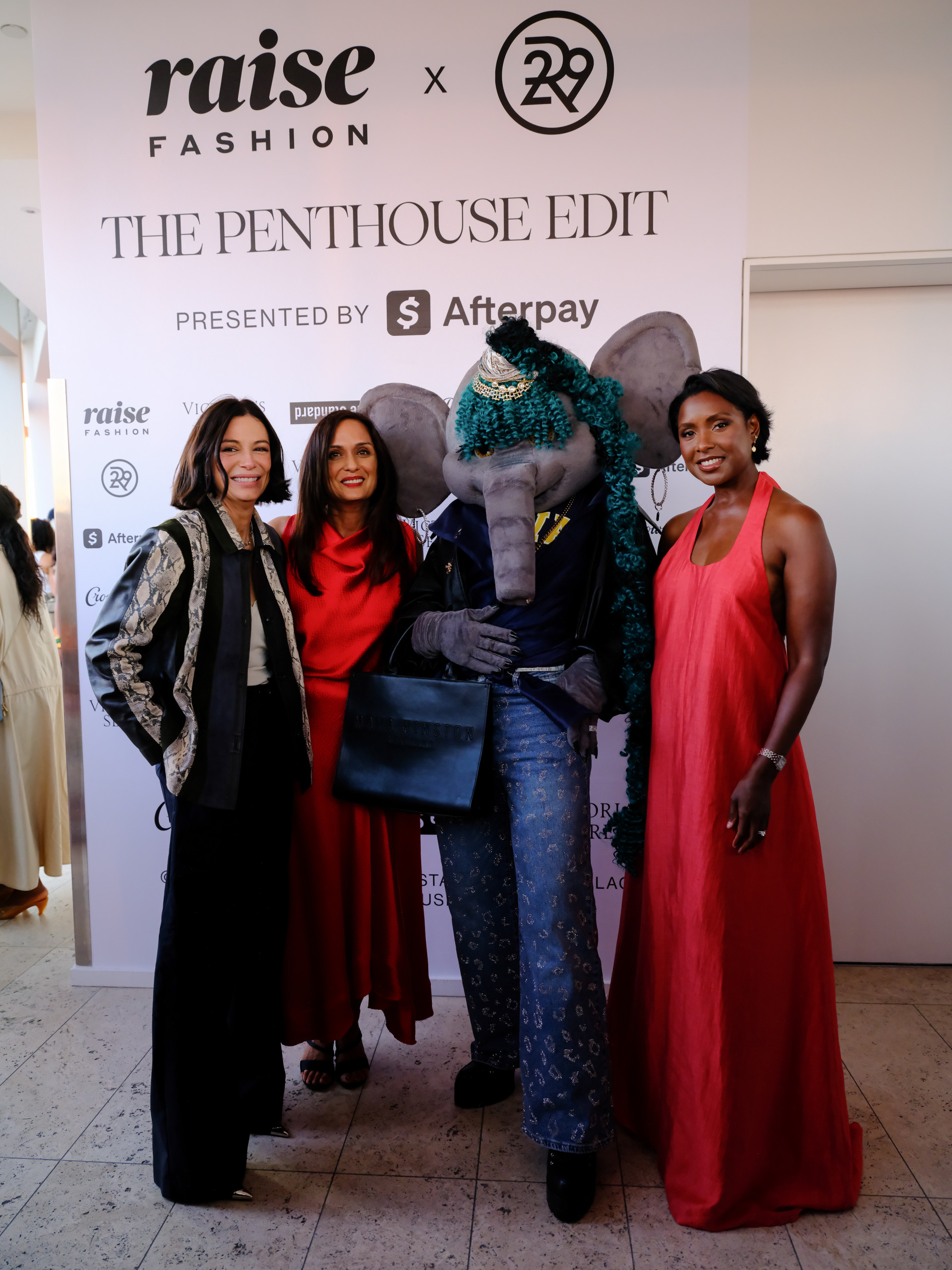
Ultimately, the authoritative and enjoyable Penthouse Edit event presented the blueprint for what RAISEfashion accomplishes: guiding indie brands who are navigating the difficult landscape that comes with scaling their businesses. The non-profit remains strategic in its approach, as it focuses on brands worthy of support and strategic capital, as scalability looms on the horizon.
“RAISEfashion continues to create meaningful opportunities and invaluable connections for independent designers,” adds Rodney Patterson, the founder behind ESENSHEL. “Its impact on the growth and visibility of ESENSHEL has been truly significant. I’m continually inspired by the caliber of talent in the room and grateful to be part of this extraordinary community.”

Author: Robyn Mowatt
Read the original article on Essence.
Leave a Reply