
When Marvel Studios announced that Mahershala Ali would take up the mantle of Blade at San Diego Comic-Con in 2019, the reaction was immediate. Ali, who was already a two-time Academy Award winner, walked onto the stage wearing a black baseball cap emblazoned with the vampire hunter’s logo. It lasted only a few seconds, but it was enough. It felt like the beginning of Marvel’s next chapter.
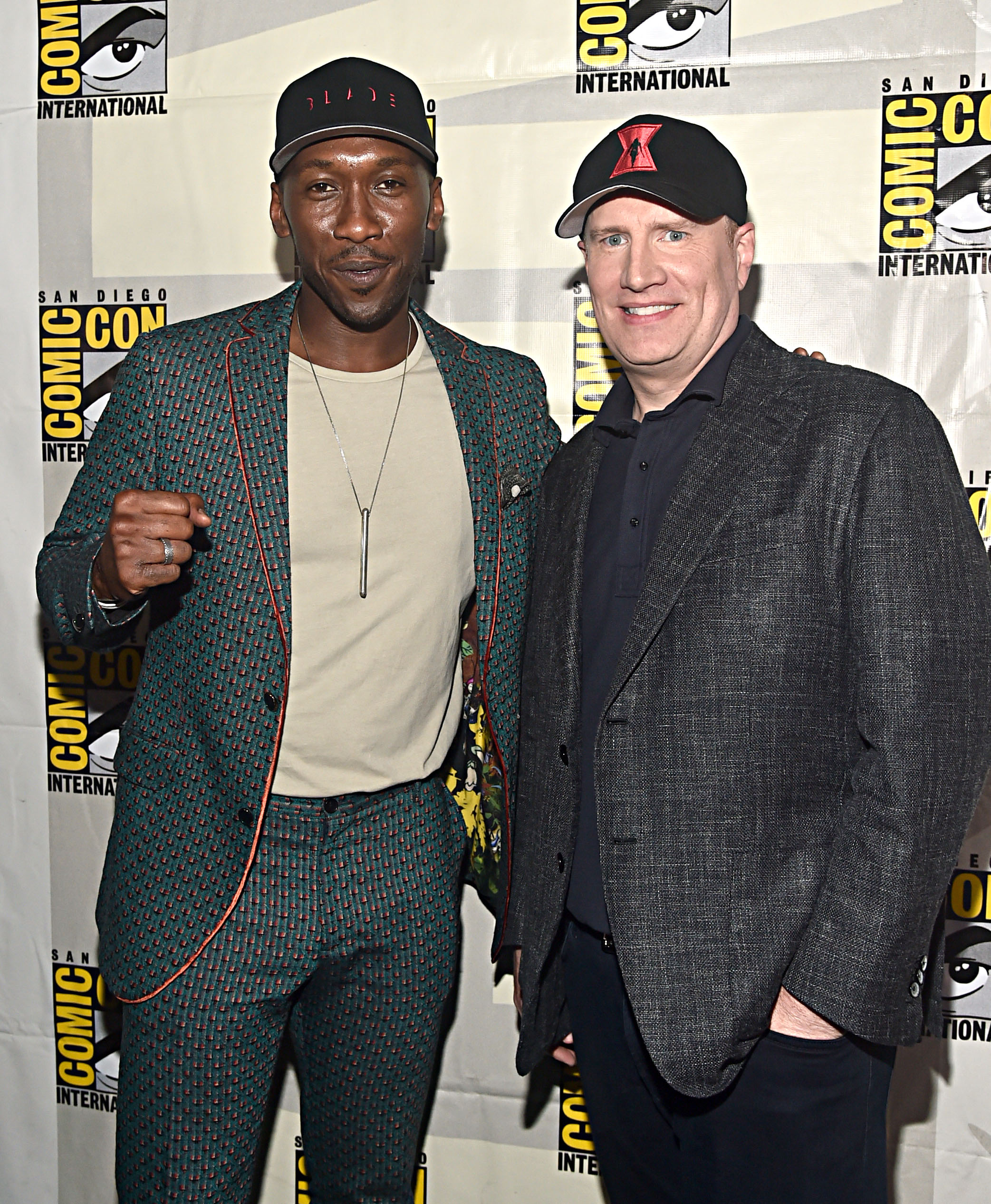
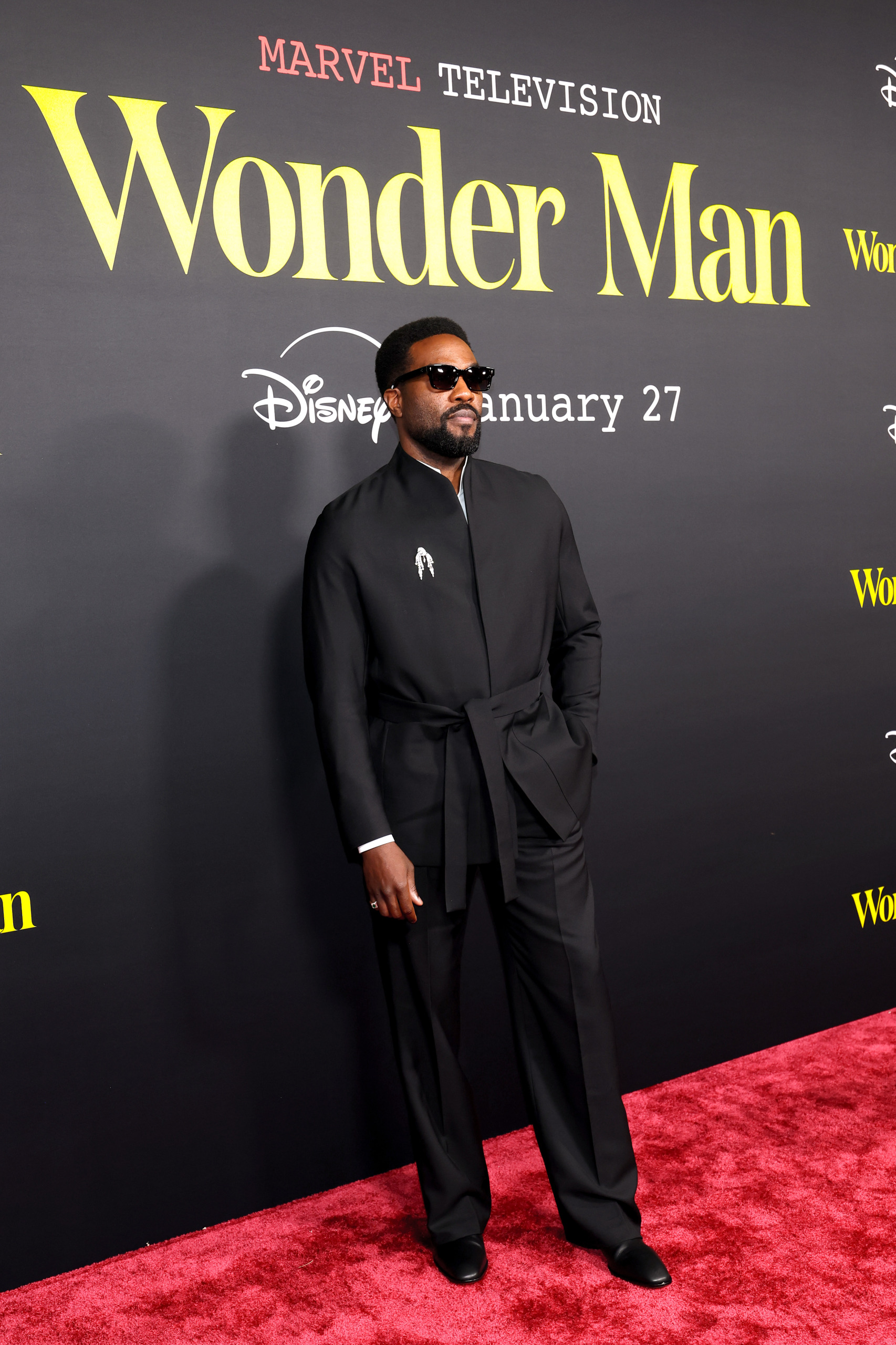
Seven years later, that chapter appears to have closed before it ever truly began. Following years of production delays, creative shakeups, multiple directors, rewritten scripts and shifting release dates, reports now indicate that Ali has officially moved on from the project. Around the same time, Marvel also quietly pulled the plug on Wonder Man, the Disney+ series starring Yahya Abdul-Mateen II.
Studios cancel projects all the time. Development stalls, scripts change, and priorities shift.
But viewed together, the fate of Blade and Wonder Man raises a larger question: Why do Black-led Marvel projects so often seem to spend years fighting to exist?
Because Black audiences have spent decades showing Marvel exactly what happens when we’re given stories that see us fully. We’ve bought the tickets, streamed the shows, introduced the next generation to these characters and celebrated milestones that often felt long overdue. We don’t consume superhero culture; we’ve helped to shape it.
Which is why each delay, cancellation, or indefinite pause chips away at the confidence that these stories will actually make it to the screen.
Black representation in Marvel didn’t begin with the Marvel Cinematic Universe. Long before billion-dollar crossover events were big box-office hits, there was Blade.
When Wesley Snipes brought the half-human, half-vampire hunter to the big screen in 1998, superhero films were hardly the guaranteed box office juggernauts they are today. Marvel itself was struggling financially, and few predicted that a relatively obscure comic book character would become one of the genre’s biggest success stories. Yet Blade delivered. Stylish, violent and cool, it proved something Hollywood often overlooked: audiences would absolutely show up for a Black superhero.
Ironically, the film that helped pave the way for Marvel’s cinematic future is often left out of conversations about the genre’s history.
The years that followed slowly expanded Marvel’s roster of Black heroes, though not always in ways that matched their significance on the page. Storm, one of the most powerful mutants in Marvel Comics, became one of the franchise’s most recognizable Black women through the X-Men films. Yet many longtime fans would argue that the movies barely scratched the surface of her character’s complexity.
When Luke Cage premiered on Netflix in 2016, it was another turning point. Though on the surface the superhero was a bulletproof Black man protecting Harlem, it was rooted in Black music, Black neighborhoods, Black politics and identity. Harlem was a character in the series in its own right. The soundtrack celebrated artists from Faith Evans to Raphael Saadiq. Conversations about policing, gentrification and community unfolded naturally rather than feeling inserted. For many viewers, it was one of the first times a Marvel series felt culturally fluent rather than culturally adjacent.
Then came Black Panther.
For years, executives repeated the familiar refrain that films led by predominantly Black casts lacked international appeal. Black Panther dismantled that argument almost overnight. It earned more than $1.3 billion worldwide, received seven Academy Award nominations and became the first superhero film nominated for Best Picture. But its true legacy can’t be measured by box office numbers.
The film gave audiences something intangible. Families dressed in African garb. Children saw themselves reflected as kings, queens, scientists, warriors and innovators. Entire classrooms organized field trips. Community organizations bought out theaters so young people could experience Wakanda together.
For a moment, it felt like Marvel had finally recognized what Black audiences had known all along: Black stories weren’t niche, they were global.
In the years that followed, the studio continued introducing Black heroes into the MCU. Don Cheadle’s James “Rhodey” Rhodes remained one of the MCU’s longest-tenured heroes as War Machine, even as fans waited years for the standalone Armor Wars project. Sam Wilson, portrayed by Anthony Mackie, became Captain America. Monica Rambeau, played by Teyonah Parris, evolved into one of the franchise’s most powerful cosmic characters. Letitia Wright’s Shuri inherited the mantle of Black Panther. Dominique Thorne introduced audiences to Riri Williams, the engineering prodigy behind Ironheart. And Carl Lumbly’s Isaiah Bradley delivered one of the MCU’s deepest examinations of race, patriotism and government exploits.
Marvel’s comics offer an even richer bench waiting to be explored. Blue Marvel, one of the publisher’s most intellectually brilliant and physically powerful heroes. Brother Voodoo, whose Haitian roots and mystical abilities once earned him the title of Sorcerer Supreme. Misty Knight, Night Thrasher, Patriot, Photon, Nakia, Okoye, M’Baku and countless others whose stories extend far beyond supporting roles.
Marvel has never suffered from a shortage of compelling Black heroes. If anything, its comics have long offered more Black stories than its screen adaptations have been willing to fully embrace.
Since Black Panther, however, too many Black-led Marvel projects have found themselves trapped in development limbo. Blade cycled through writers and directors for years before seemingly collapsing altogether. Armor Wars, once envisioned as a Disney+ series before shifting into a feature film, remains without a clear release path. Ironheart endured years of delays before finally reaching audiences. Now, Wonder Man joins the growing list of projects that won’t move forward as originally envisioned. Then there’s Wonder Man, which wasn’t shelved because audiences rejected it. The series earned strong reviews, secured an Emmy nomination for Yahya Abdul-Mateen II’s lead performance and had already been renewed for a second season before Marvel and Disney abruptly reversed course.
To be clear, every franchise experiences setbacks. Films get rewritten. Television series get scrapped. That’s part of Hollywood.
But Black audiences are responding to a pattern: one in which stories centered on Black heroes repeatedly seem to require more revisions, more justification, and more patience than everyone else’s.
Hollywood has always asked Black stories to justify their existence before they’ve even been told. They’re expected to be groundbreaking. Awards-worthy. Culturally significant. They have to represent an entire community while also satisfying shareholders, critics and of course, audiences.
Meanwhile, plenty of other franchises are allowed to simply be entertaining. Black stories are too often expected to represent everyone.
The pressure extends beyond Marvel. Black Lightning spent four seasons on The CW centering a Black superhero family in ways network television had rarely attempted before, proving there was an audience eager for stories that placed Black heroes at the center rather than the margins. On Netflix, Raising Dion introduced viewers to a young Black boy discovering his powers while his widowed mother navigated the challenges of raising a superhero. The series earned critical praise and cultivated a passionate fan base, only to be canceled after two seasons.
These aren’t identical circumstances, nor are they all the result of the same business decisions. But together they reveal a familiar reality: Black-led genre storytelling continues to face a steeper climb.
None of this erases the progress that has been made. The MCU today looks dramatically different than it did in 2008 when Tony Stark first stepped into a cave in Afghanistan. Ryan Coogler’s continued stewardship of Wakanda has shown what’s possible.
But progress isn’t only measured by who’s on the poster. It’s measured by consistency, follow-through, and whether, as viewers, we can believe that an announcement today will still exist tomorrow.
We’ve shown up for Marvel for decades. From Wesley Snipes’ Blade and Harlem’s protector in Luke Cage to Wakanda Forever and many more. We’ve invested emotionally, financially, and culturally in a universe that has increasingly reflected our communities.
After Black Panther, it felt like Hollywood had finally moved past the question of whether Black superhero stories could succeed. The conversation shifted from if to what’s next. Lately, though, “what’s next” has become “not yet.”
The irony is that Black audiences have never been the ones asking Marvel to prove these characters belong. We believed in Blade before there was an MCU. We believed in Wakanda before it became a billion-dollar franchise. And we’ll continue believing in the Black heroes whose stories have yet to receive the same level of investment.
The question has never been whether Black heroes can carry the Marvel universe. History has already answered that.
The question is why they’re still the only ones expected to prove it.

Author: Shelby Stewart
Read the original article on Essence.