
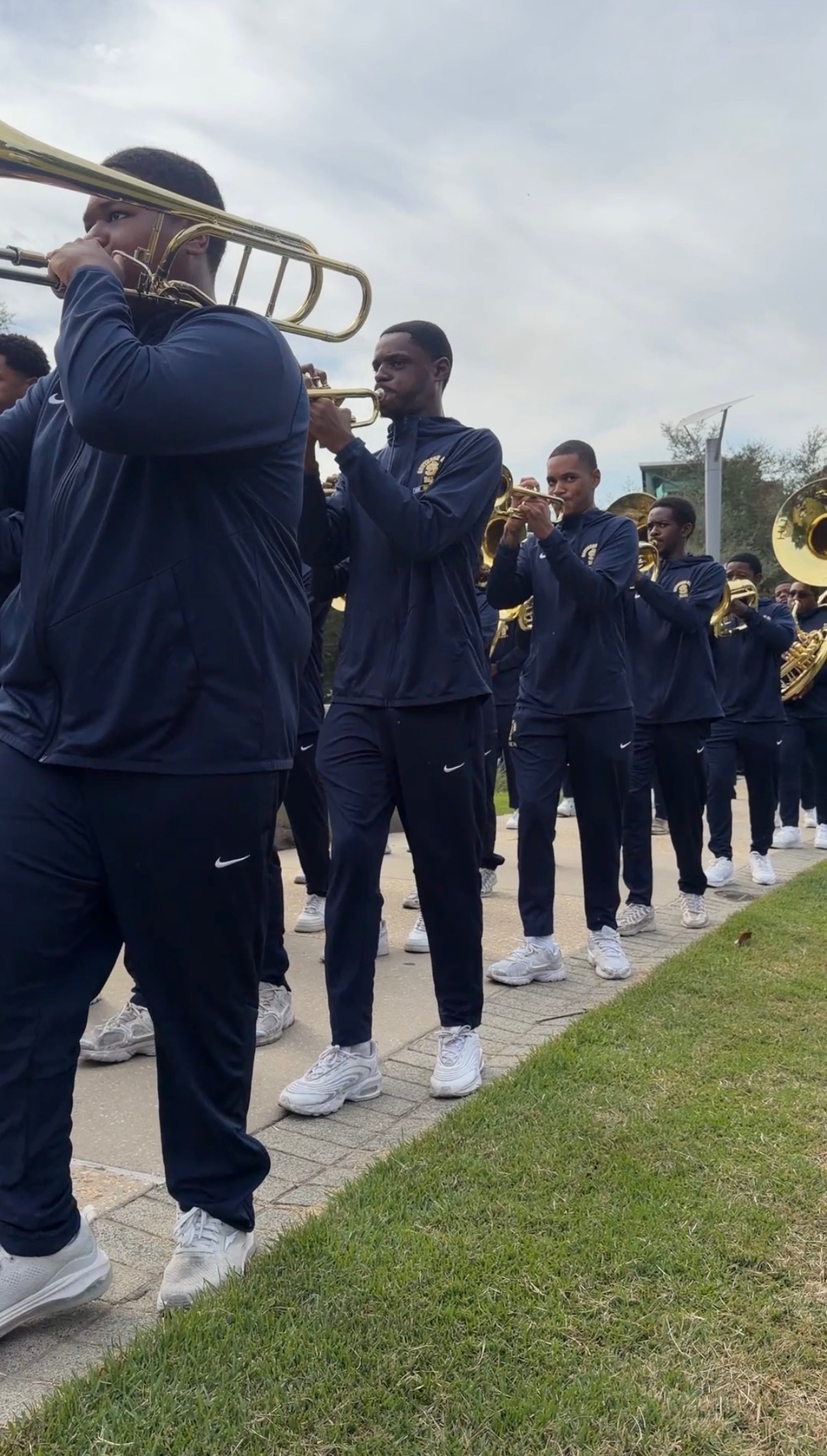
On the afternoon of October 27, Southern University’s famed Human Jukebox marching band traveled through downtown Baton Rouge, Louisiana, accompanying more than 100 students and community members on a journey to the ballot box. The event, billed as “Second Line to the Polls,” paid homage to Louisiana’s centuries-old tradition of processional celebration to transform the final day of early voting into a public demonstration of civic engagement. The route culminated at City Hall, where participants could cast their ballots ahead of the November 3 midterm elections.
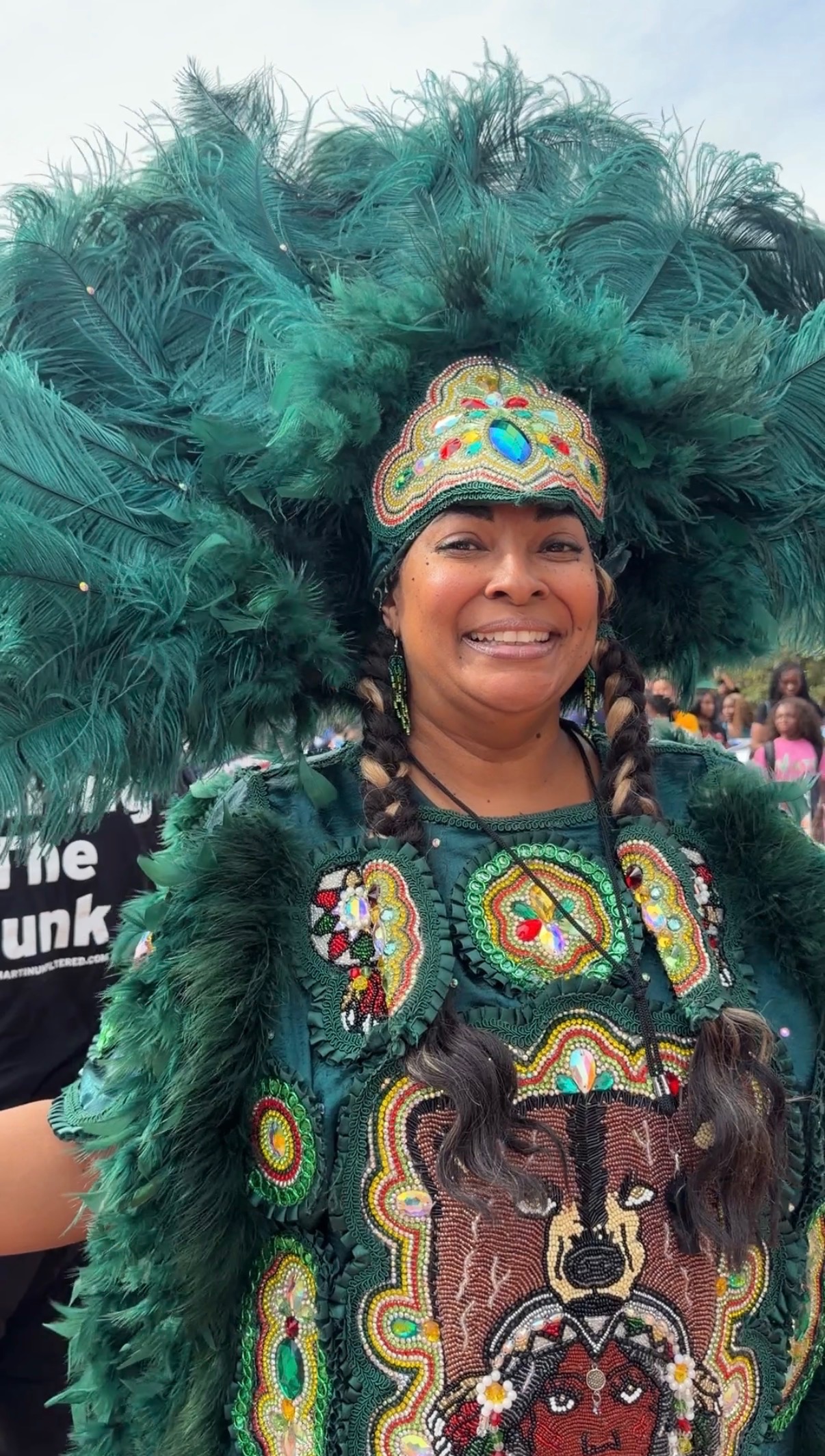
Across the South, a new generation of Historically Black College and University (HBCU) student organizers is translating the long-standing tradition of Black political engagement into contemporary efforts to expand voter participation and overcome barriers to the ballot box. In cities from Houston to Jackson, Mississippi, to Greensboro, North Carolina, students are registering voters, recruiting poll monitors, establishing coalitions and cultivating civic relationships that reach beyond their campuses. Their work offers a compelling rebuttal to the familiar assertion that young Americans are increasingly disengaged from the democratic process.
Supporting many of these efforts is the Andrew Goodman Foundation, a nonpartisan civic engagement organization named for the 20-year-old civil rights worker murdered alongside James Chaney and Michael Schwerner during Mississippi’s Freedom Summer in 1964. Through its Vote Everywhere initiative, the foundation equips student organizers with funding, mentorship, training and institutional support to advance voter education and challenge obstacles to democratic participation.
Founded in 2020, the organization’s dedicated HBCU Cohort currently supports over two dozen Andrew Goodman Ambassadors across 15 campuses in 11 states and Washington, D.C. Its mission is to establish sustainable campus organizing programs, develop student leadership, and ensure that voter engagement extends beyond the urgency of a single election. Rather than encourage electoral transactionalism, the goal is to instill the long-term value of civic engagement.
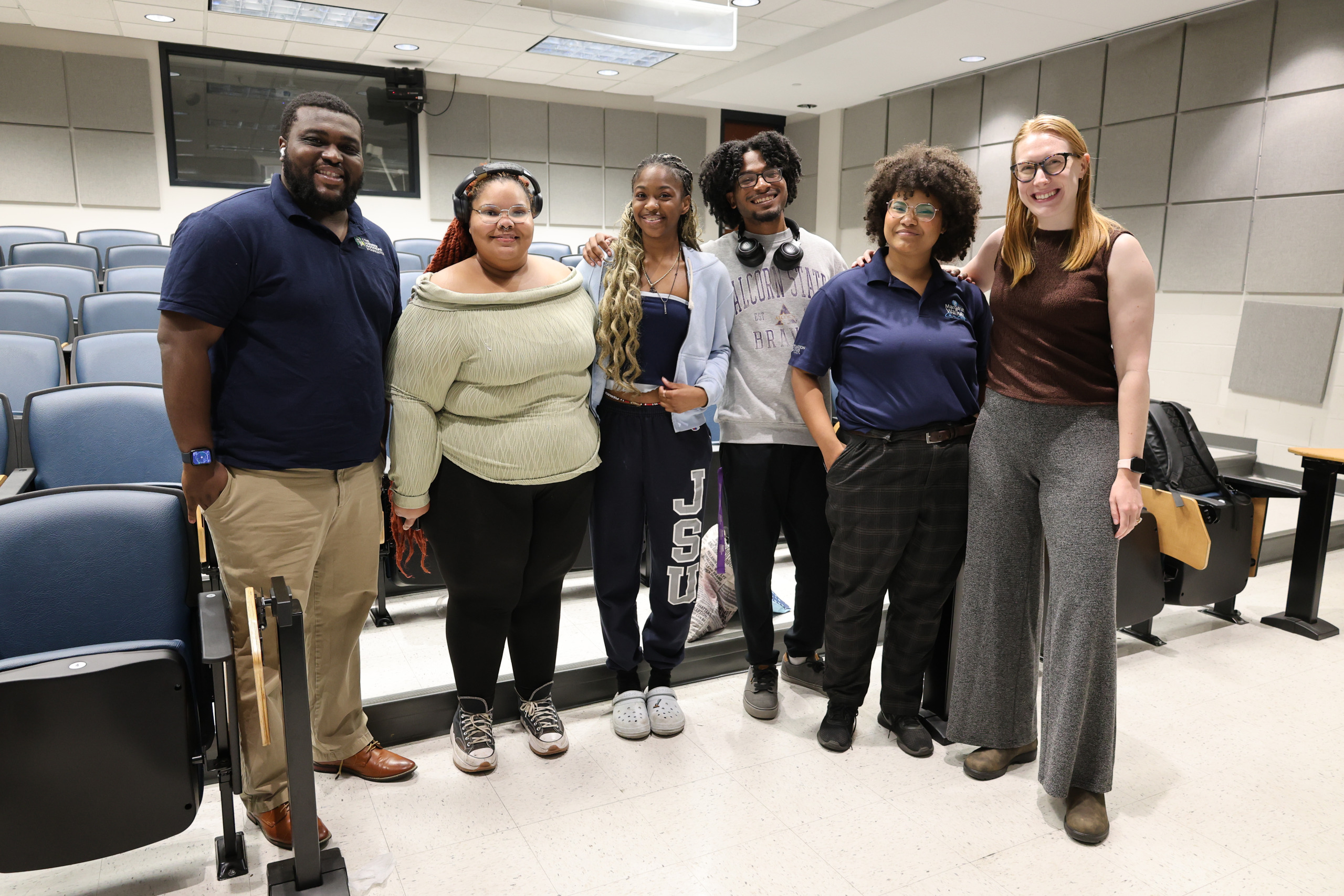
For Christina Pollonais, the foundation’s HBCU Coordinator, a labor attorney, the work reflects the historical responsibility of Black educational institutions to produce politically conscious citizens.
“Democracy embodies the intersectionality of race, gender, accessibility, awareness, inclusion, all working in tandem to sustain the evolution of humanity,” Pollonais says. “The reality is that the future of humanity is ever-changing and the source of power and change lies within our youth.”
Her understanding of the HBCU experience is informed by its traditions of intellectual inquiry, collective responsibility and civic service, instilled, in part, by her experience as an alumna of Spelman College. HBCU students encounter a particularly expansive political education that positions their individual success alongside the success of their communities.
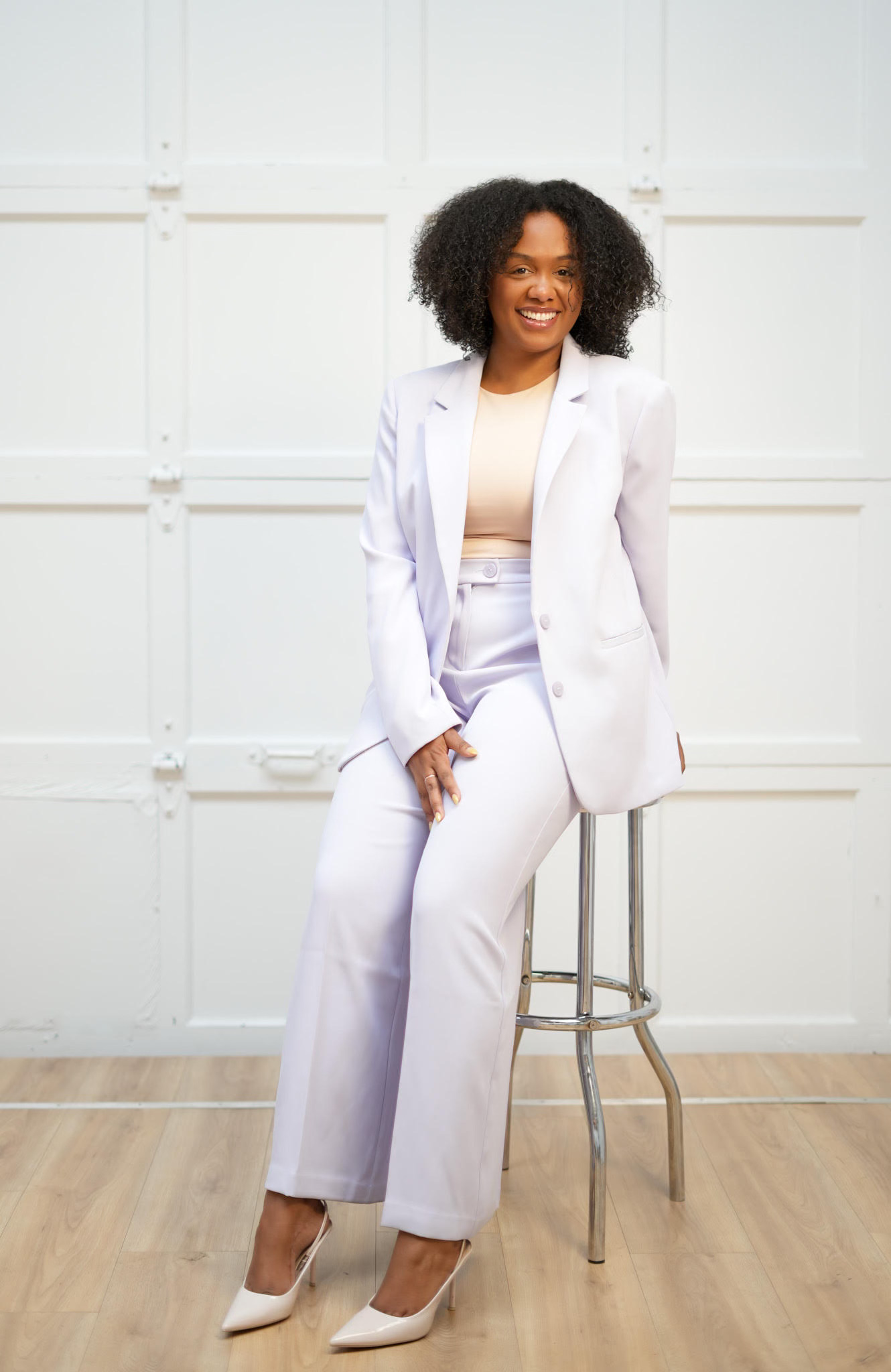
“As a Spelman alum and the Andrew Goodman HBCU Coordinator, I am proud to work alongside HBCU organizers who recognize that the HBCU vote represents legacy, history, power and justice for all,” Pollonais continues. “Our primary goal is to mobilize as well as educate all voters to ensure that they have accessibility to the polls.”
At Jackson State University in Mississippi, that responsibility is inseparable from the state’s particularly violent history of suppressing Black political participation. Between 1877 and 1950, at least 654 Black people were lynched by White mobs in the Magnolia state. Throughout the 20th century, the pursuit of voting rights was met with intimidation, economic retaliation and murder. Civil rights organizers including Medgar Evers and Herbert Lee were assassinated for their advocacy, while the murders of Chaney, Goodman and Schwerner in 1964 exposed the deadly consequences of challenging the state’s racial order.
At a moment when voting access is especially vulnerable to political and legal contestation, Mississippi offers particularly fertile ground for a form of civic organizing concerned with both enfranchisement and the protection of Black and Brown voters.
For Anastasia Taylor, a Mississippi native pursuing a master’s degree in English at Jackson State, that awareness informs their work as an Andrew Goodman Campus Champion. Taylor, who also serves as Director of Digital and Community Engagement for the History & Culture Access Consortium (HCAC), represents a unique arrangement within the foundation’s campus infrastructure. Rather than appointing a faculty member or administrator to supervise its student Ambassadors, Jackson State entrusted the role to a fellow student.
“I feel like our institution has an underlying understanding that I think undergirds so much of what we do at Jackson State, but also just in general at HBCUs, it’s kind of just understood that you need to be civically active,” Taylor explains.
Taylor works alongside Andrew Goodman Ambassadors Iyanna Sobers and Chezney Fowler, drawing upon informal student networks, group chats and trusted campus relationships to distribute voting information. Their approach recognizes that civic education is only useful insofar as it reaches the people who need it, in a language and format they can understand.
Growing up in Mississippi with roots in Jackson, Taylor recognizes that local political organizing exists within the shadow of a history whose consequences remain visible.
“So it’s something that I think is like a constant cloud over you that you’re aware of, and once you start to really look up, you’re constantly aware of it,” Taylor says of Mississippi’s history of racial violence, “and it’s really undergirding every single little bit of the way that our system is handled.”
On October 21, Jackson State’s Andrew Goodman Ambassadors convened students for a fireside conversation about the past and future of voter mobilization, followed by poll-monitor training in partnership with the ACLU of Mississippi and Mississippi Votes. Thirty students participated, including 11 transported from Alcorn State University and two from Tougaloo College. The training prepared volunteers to provide nonpartisan voter assistance and observe potential problems outside polling locations on Election Day.
The coalition was geographically modest but politically significant. Students from three historically Black institutions were learning how to safeguard the electoral participation of their neighbors, assuming responsibilities that extend beyond casting their own individual ballots.
At Texas Southern University in Houston, civic engagement has similarly become a social enterprise. Joseph Carter, a graduating senior, student regent serving on the university’s Board of Regents, and Andrew Goodman Foundation fellow, has spent nearly four years coordinating voter education initiatives on campus. Recruited during his freshman year by Michael Adams, Ph.D., the university’s Andrew Goodman Campus Champion, Carter helped revive Texas Southern’s March to the Polls tradition.
Part of what distinguishes the university’s approach, he explains, is its refusal to separate civic participation from the ordinary pleasures of student life.
“Our student life and Engagement Department is very, very active when it comes to voter engagement, civic engagement,” Carter says. “They make all the initiatives fun.”
That might mean organizing a party or game night where voter education is incorporated into the festivities. The university’s on-campus polling location, which Carter says has been available throughout much of his undergraduate career, also helps students and residents in surrounding areas participate without traveling far from familiar territory.
For Carter, the political stakes have become increasingly tangible. He recalls how delays in students’ access to financial aid made the consequences of government decisions immediately apparent to classmates who depended on those funds for rent, utilities and tuition.
“I think recently people have come to understand that they are directly affected by the political climate that we’re in,” he says, describing how students began connecting the uncertainty surrounding their finances to the decisions of elected officials.
On October 22, Carter helped organize another March to the Polls event in collaboration with Alpha Phi Alpha Fraternity, Inc., featuring senate hopeful James Talarico, recording artist Monaleo and Texas State Representative Christian Menefee. The gathering underscored the value of meeting potential voters in familiar community spaces, bringing cultural figures and political leaders into conversation with students.
The urgency of accessible polling locations is equally apparent elsewhere in the South. On October 15, more than 100 students from North Carolina A&T State University and neighboring UNC Greensboro marched roughly 45 minutes to an early-voting location after the Guilford County Board of Elections declined to provide either campus with an early-voting site for the midterms. Their journey, undertaken despite the distance and uneven pedestrian infrastructure, transformed an administrative obstacle into a galvanizing demonstration of student political agency.
At Southern University, civic organizers have approached the same challenge through an unmistakably Louisiana expression of public fellowship. The university’s Second Line to the Polls emerged from the collaboration of Andrew Goodman Ambassadors Kevonni White and Landon Blache, student organizer Jaden York, student government leaders and the campus NAACP chapter.
An early-semester assessment indicated that approximately 2,100 of Southern’s 8,400 students were registered to vote, according to campus organizers. In response, students hosted registration events, including one on October 5 that registered 147 voters, and coordinated exercises introducing their peers to local political decision-making.
The October 27 procession was an extension of this sustained organizing, rather than an isolated spectacle. The event brought together student organizations, elected officials, Baton Rouge residents, political commentator Roland Martin and actress Meagan Good, who encouraged young people to remain politically involved beyond this election.
Eugene Lee-Johnson, Ph.D., Assistant Professor of Political Science in the Nelson Mandela College of Government & Social Sciences at Southern University and A&M College and an advisor to the organizers, considers the work part of the institution’s historical inheritance. Southern students organized lunch-counter sit-ins in 1960, and in 1972, Denver Smith and Leonard Brown were killed by law enforcement during a campus protest.
“People mistake a different kind of engagement for a lack of engagement,” Lee-Johnson says. “Young people are deeply political. They’re organizing on social media, showing up for protests, running mutual aid, and talking about policing, housing, climate, and student debt every day.”
Their frustration, he suggests, is less with politics itself than with institutions that have failed to honor their participation.
The distinction is consequential. At HBCUs, where student organizing has historically functioned as both a political education and an instrument of collective survival, participation cannot be reduced to turnout statistics. It is also measured through the relationships established, the skills transferred and the communities made more capable of advocating for themselves.
What the Andrew Goodman Foundation and its student Ambassadors are building, then, is an infrastructure of democratic care. A ride to the polls, a registration table, a group message or a trained election observer may appear small against the scale of national politics. Together, these interventions determine who is able to participate and whose political interests receive consideration.
When voters arrive at the polls on November 3, their ballots will register the immediate electoral consequences of this organizing. But the more enduring achievement may be found in the young people who have learned to assemble a coalition, navigate a bureaucracy, and bring their neighbors into political life. Their work draws upon a tradition much older than this election, and one whose survival depends on its continual reinvention. HBCUs have never been strangers to the struggle for democracy. The students organizing today are ensuring that they remain among its most practiced stewards.

Author: Skylar Mitchell
Read the original article on Essence.
Leave a Reply